Ethan Brooks, twelve, was walking home through a row of shuttered shops when an older man staggered against a brick wall. The man's jacket was dusty and his lips were dry. Ethan set down his backpack and offered the sealed water bottle he had bought for the walk. The man drank slowly while Ethan asked whether he needed an ambulance. He said his name was George Powell and admitted he had barely eaten for two days.
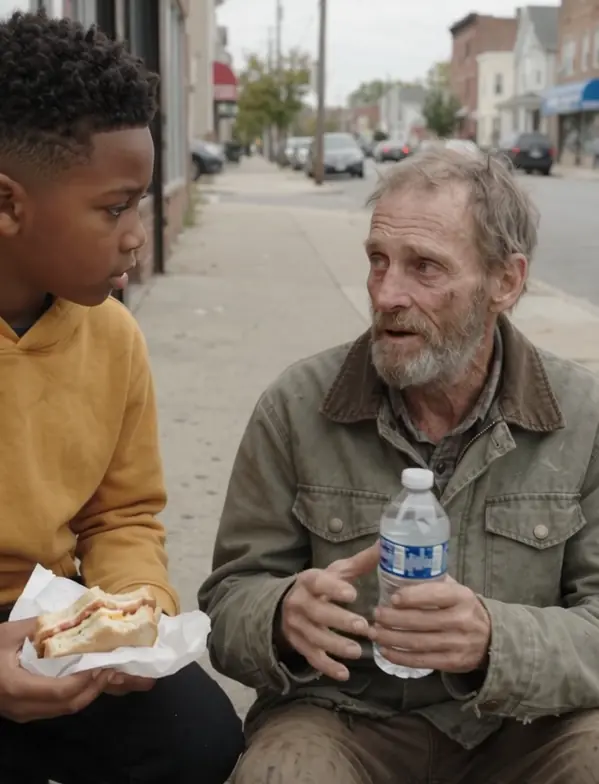
At the beginning, nothing suggested that the day would be remembered. Ethan was thinking about food and the hours remaining before he could go home. That was the context of the first decision: a person nearby needed something, and choosing whether to respond felt more urgent than calculating what the gesture might mean in the future.
Before anything had a name, it was only a decision that had to be made in front of other people.
It would have been comforting to find one villain responsible for every hardship. Real life rarely arranged itself so neatly. A person might have behaved selfishly, a procedure might have failed, and another person might have stayed quiet because speaking felt risky. Sorting those responsibilities required attention to what each person had actually done. Ethan was determined not to replace the first injustice with a careless accusation.
During a quiet interval, Ethan noticed how tired everyone seemed. Nobody had dressed for an important occasion. Their sleeves were wrinkled, cups had gone cold, and someone kept rubbing a spot above one eyebrow. Those small signs mattered to him because decisions made under exhaustion could be impulsive. He suggested writing down the next step before anyone left, so morning would not erase what they had agreed.
The first people to help were not necessarily the ones who appeared in the final photograph. Ethan thought of clerks retrieving boxes, volunteers making calls, and neighbors lending rides. Their names were easily forgotten because their actions looked like routine work. He tried to remember them. A community depended on those small, uncelebrated jobs continuing when gratitude was no longer fashionable.
The conversation drifted briefly toward what might have happened if someone had acted earlier. Ethan understood the temptation. Regret made the past seem adjustable, as though one could return to a particular afternoon and choose another door. But there were people dealing with the problem now. He brought the discussion back to what could still be done before the next week ended.
The next decision would belong to the people affected.
He wanted an answer that would survive careful scrutiny.
They agreed to talk again before making a public claim.
And he would learn.
Ethan gave him the sandwich from his lunch bag.