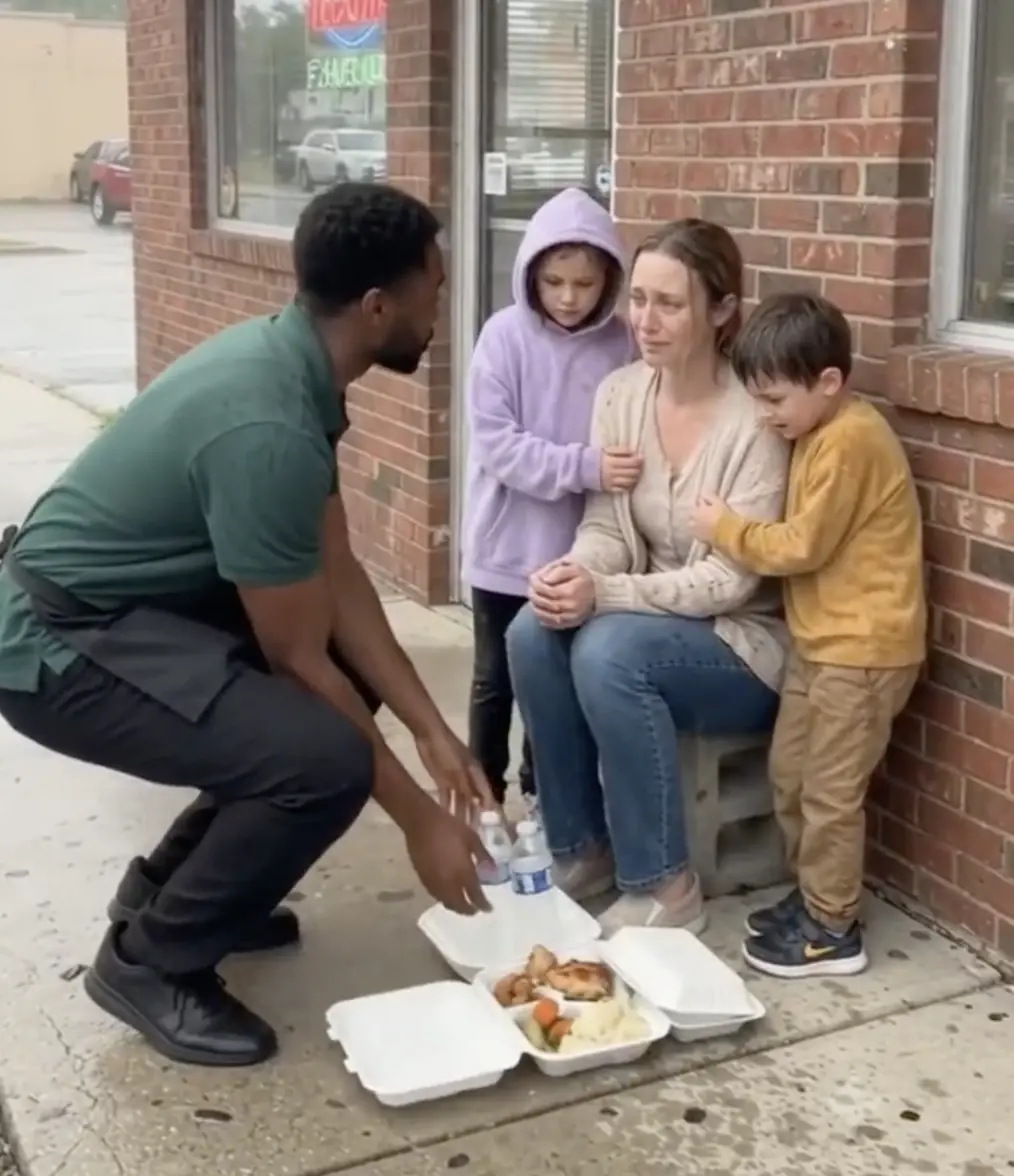
A downpour was flooding the curb outside a red-brick diner when Isaiah Brooks saw a young mother sitting beneath the awning with her two children. The little girl wore a lavender hoodie; her younger brother had an oversized yellow sweatshirt. Their mother, Lena Parker, was trying to keep a thin blanket dry. Isaiah carried three containers of food and bottled water outside and told them the kitchen had prepared extra meals.
The room did not grow quiet for the sake of Isaiah. Cups continued to move across counters, doors closed, and people who knew nothing of the trouble went on with their errands. That ordinary movement mattered. It reminded him that what felt decisive to one family could remain invisible to everyone else until someone took the trouble to preserve a date, a name, or a firsthand account.
There were awkward silences in the conversations that followed. Sometimes Isaiah thought he had understood a detail, only to hear a correction that changed its meaning. Nobody welcomed those corrections, yet they made the shared account stronger. People were tempted to make each new fact fit the story they already preferred. He tried to do the opposite: let the sequence of facts determine the story, even when it moved away from the ending he wanted.
Later he would remember how people spoke when they were trying to be careful. They often began a sentence and stopped, searching for a more precise word. They looked at documents a second time rather than trusting the first glance. These were not grand scenes, but they changed what happened next. Isaiah came to respect the kind of courage that sounded like someone saying, I do not know yet, but I will check.
Outside the red-brick diner, the weather seemed indifferent to the conversation. Isaiah wondered how many people had passed this way without noticing what was happening nearby. He did not blame them all. Most were trying to get through their own difficult days. But he knew that being busy and being unable to help were different things. He could not answer every problem, yet he could refuse to look away from the one directly before him.
The distinction was important, even if it did not make the choice easier. The distinction was important, even if it did not make the choice easier. The distinction was important, even if it did not make the choice easier. They agreed to check again the following morning.
Lena began to cry before she tasted anything. She said nobody had been kind to the three of them in weeks. Isaiah asked permission before taking a photograph of their position to show a volunteer housing outreach worker where to find them.