Mara Collins was closing the diner when she noticed an elderly man gripping a white cane beside two children huddled near the entrance. Rain soaked their coats. The man, Henry Rowan, apologized for blocking the doorway; the little girl said they were waiting for a bus that had stopped running. Mara invited them inside before the boy could explain why they had no money.
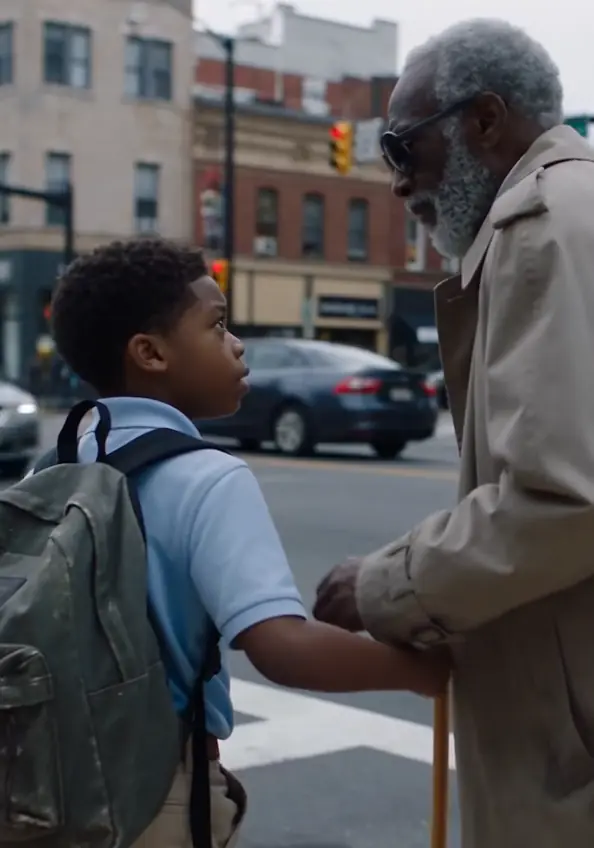
She fed them soup, warmed their hands with clean towels, and refused to make the children feel like a spectacle. Henry kept listening toward the street whenever a car stopped.
Mara noticed the distance between an accusation spoken confidently and a fact that someone could demonstrate. By this point, the problem was no longer whether one person seemed sympathetic. It was whether the account of the trust would survive careful scrutiny from people who owed nobody a favor.
Henry had learned to distrust the phrase “for your own good.” It had appeared in conversations whenever a decision was made without listening to the people who would bear the cost. In this moment, the choice was less theatrical: keep a record, ask for an independent witness, and refuse to let urgency erase the truth.
It was tempting to imagine a dramatic confession ending every argument. Yet life around them remained stubbornly practical. Somebody had to answer the telephone, find a safe ride, make copies, eat lunch, and return to work. The ordinary obligations did not pause simply because a hidden injustice was beginning to surface.
When the discussion faltered, Mara returned to the first thing that could actually be verified. The detail was modest, almost embarrassing in its simplicity. But it offered a place to begin without depending on wealth, memory, or the persuasive confidence of the loudest person in the room.
The question that followed was not whether the past could be changed. Nobody there believed that. They wanted to know who had been allowed to describe the past, whose objections had been dismissed, and whether the next decision would finally include those who had paid for the previous one.
Outside, the town continued with groceries, traffic lights, late buses, and tired workers heading home. That familiar scenery made the story harder to dismiss: these were not distant villains and faceless victims. They were people who had shared sidewalks and looked away from things that were easier not to see.
The photograph on the table reminded Mara that the smallest choices could leave the clearest traces. Henry insisted that every name, date, and account be treated with care because real people would live with the result. Silence.
When the last diner lights went out, he whispered that someone had been following them since the train station.