Marcus Bell was wiping turquoise booths at Miller Street Diner when he saw two young boys shivering against the glass door. Daniel, eleven, held his seven-year-old brother Owen inside a thin red coat. Their mother had not returned from a work shift, and the county bus had stopped running. Marcus opened the door against the manager’s instructions and brought them inside.
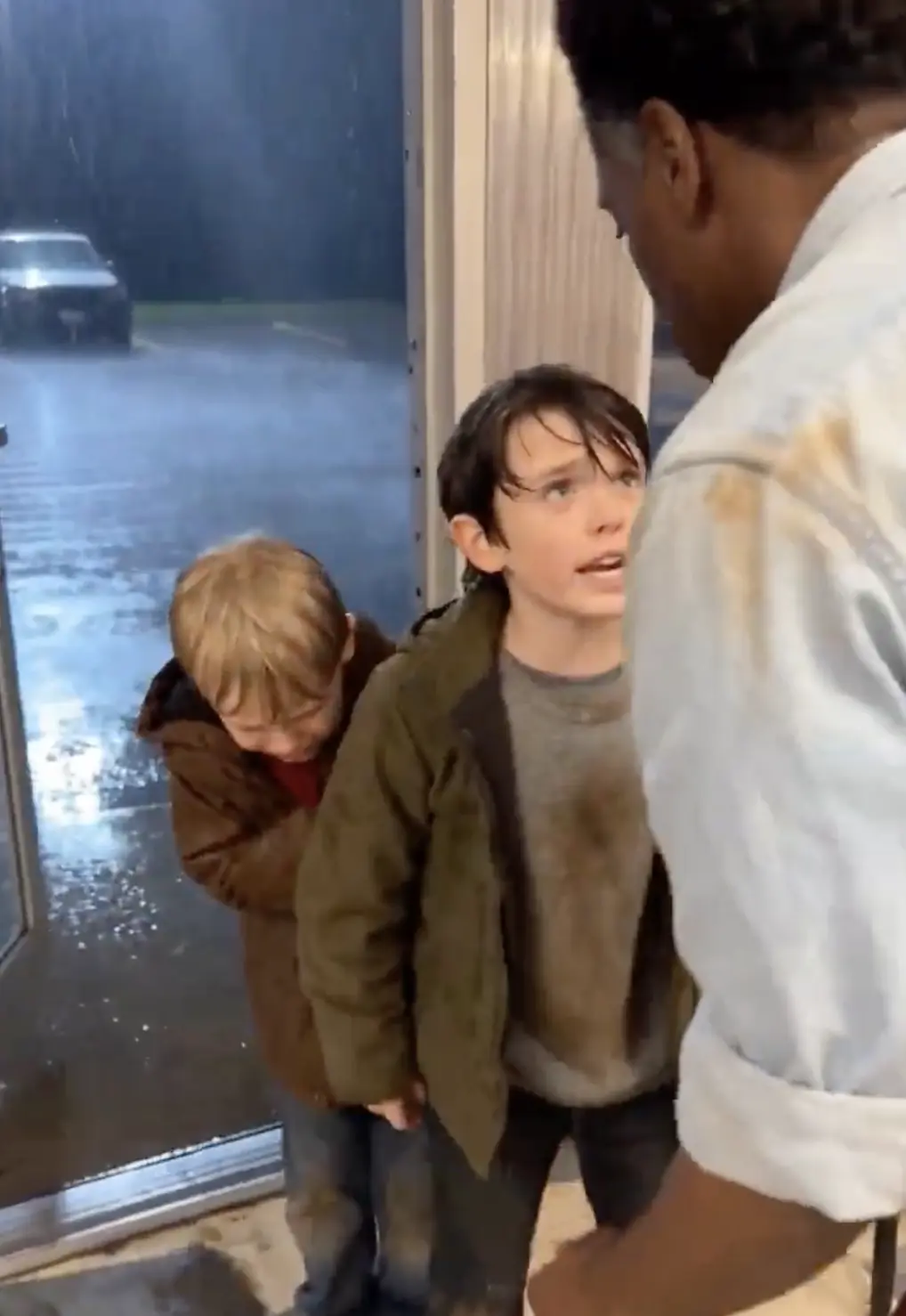
Daniel refused to take off his wet coat until Owen had a blanket. Marcus gave them stew, dry towels and the booth nearest the kitchen heater. The younger boy kept asking if he would have to go back into the dark.
For a moment, nobody answered. There were several answers available, and the quickest would probably have been the least accurate. They could have accused someone, closed the folder, or accepted a convenient explanation. Instead, they went back over what each person had actually witnessed. The distinction seemed tedious, but it was precisely where the important questions began. A good intention could justify helping; it could not make an unsupported claim true.
The hardest part was staying with the ordinary details. A dramatic accusation would attract attention, but a dated receipt could be checked. A moving story might earn sympathy, but a confirmed phone call could change an official account. Each small piece had to be considered for what it proved, and for what it did not. That patience was tiring, especially when someone needed help immediately.
The next step required patience that none of them particularly wanted to give. Calls might not be returned. A request could be refused for reasons unrelated to the merits of the case. A witness might need weeks before feeling ready to speak. They made room for those realities, reminding one another that urgency did not give them permission to pressure a vulnerable person into a convenient answer.
By the time they left, the facts had not become simpler. They had become more exact. One witness remembered a time but not a face. Another could identify a location but not the reason someone went there. That was enough to establish a direction for the next question, not enough to claim a final answer. The difference protected the people whose lives would be affected by whatever came next. The question remained unanswered. Their work was not finished. They chose to proceed carefully. Someone needed to listen. It could not be ignored. The evidence still needed care. Each person understood the stakes. The truth could not depend on someone wanting a happy ending. They stayed quiet.
As Marcus helped them find a safe adult, he noticed Daniel was clutching a folded transit ticket with a handwritten number that did not belong to a bus route.