Her quilts were never precious in the museum sense. They were meant to be used, washed, dragged over sleeping children, thrown across laps at football games, packed into dorm rooms, and folded at the ends of hospital beds. She believed a quilt should survive the household it entered. The shop grew because Ruth understood community before people started using the word like a marketing strategy.
She taught beginners without making them feel foolish. She kept a jar of spare buttons by the register and let kids take one if they promised not to swallow it. She repaired old quilts for widows who could not afford restoration fees, charged bankers full price without apology, and offered coffee strong enough to remove rust. Farmers’ wives came for fabric and stayed for conversation.
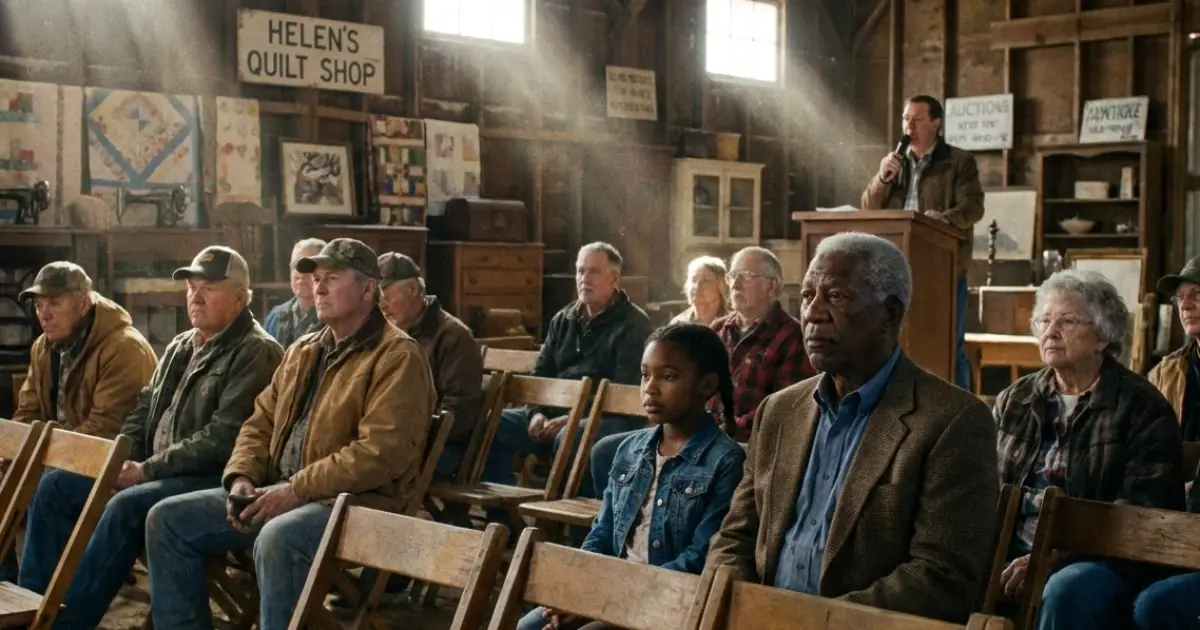
Teenagers learned to sew hems before prom. Women newly arrived at nearby Fort Riley found the shop through church groups and military spouse networks and returned because Ruth remembered their names. That was how the military quilts began. In 2003, a young Army wife named Heather Malloy came into the shop with two small boys and a husband deployed to Iraq.
One of the boys had been sleeping under his father’s field jacket because it smelled like him. Ruth listened quietly while Heather explained this, then disappeared into the back room. Two days later she delivered a twin-size quilt made from navy, gold, and worn green fabric, with a small square cut from an old Army fatigue shirt stitched near one corner. She refused payment.
“It’s not charity,” Ruth told Heather. “It’s insulation.” Word spread. Soon Ruth was organizing volunteers under a program she called Homefront Quilts.
The name sounded formal enough to attract donations but plain enough not to embarrass the families receiving them. Some quilts went to spouses with deployed partners. Some went to children with parents overseas. Some went to soldiers recovering at military hospitals or coming home to long rehabilitation.
Every quilt included a small cloth tag sewn into one corner: MADE IN KANSAS FOR THE LONG WAY HOME. Walter pretended not to understand why that line made people cry. He understood perfectly. He had served six years in the Army himself after high school, most of it in Germany, then returned to Kansas before meeting Ruth at a church fish fry in 1974.